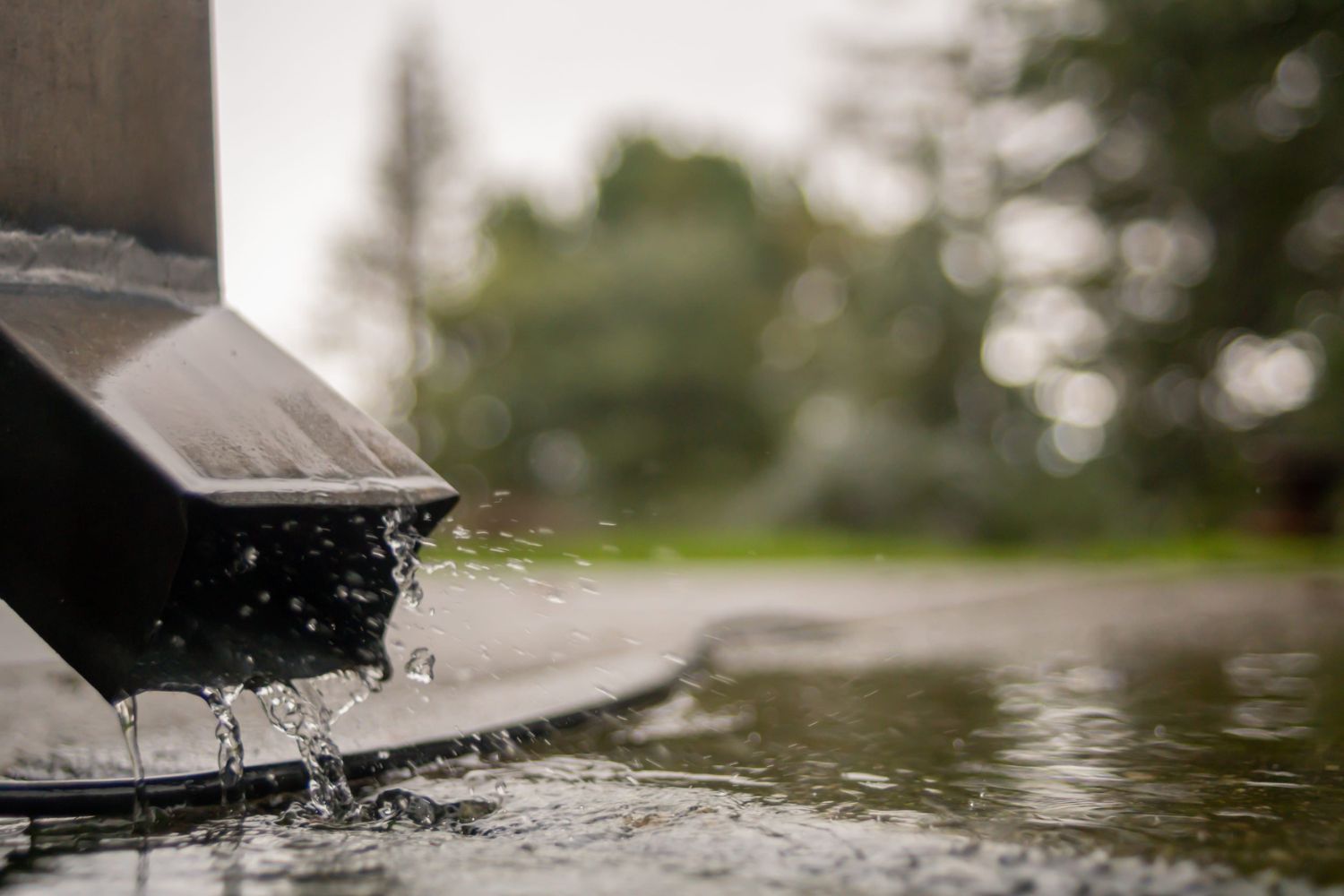
When a storm passes through Utah, most property owners focus on what they can see: wet sidewalks, saturated landscaping, and standing water. What often goes unnoticed is what happens beneath the surface after the rain ends. Every property depends on an effective drainage system to move water safely away from foundations, exterior walls, and other structural components. When underground drain lines are functioning properly, they help protect the building long after the skies have cleared. For homeowners and managers of multi-unit and apartment properties, understanding how these systems work is an important step toward preventing costly exterior damage.
Rainwater that collects around a building must be directed away before it can affect the surrounding soil or exterior materials. Underground drain lines are designed to collect and transport excess water away from the structure, helping reduce moisture accumulation around foundations and lower wall assemblies.
Without proper drainage, water can remain near the building long after a storm has passed. As moisture lingers around the foundation and exterior walls, the potential for deterioration increases, particularly in areas that experience repeated wetting throughout the year.
Drainage problems often develop gradually, making them easy to overlook until visible damage appears. Paying attention to changes around the property can help identify issues before they become more extensive.
Common warning signs include:
These conditions may indicate that underground drain lines are blocked, damaged, or no longer directing water away from the structure as intended.
Excess moisture does not remain isolated to one location. Water that collects near a building can gradually affect multiple components of the exterior system. Saturated soil may place additional pressure on foundations, while repeated exposure to moisture can contribute to deterioration of stucco, sealants, and other exterior materials. Over time, water may also find pathways into the building envelope, increasing the likelihood of repairs that extend beyond the original drainage problem.
For multi-unit and apartment properties, drainage issues can affect several buildings or shared exterior spaces at the same time. Addressing water management early helps reduce maintenance costs while protecting the long-term performance of the property.
Effective drainage is about more than moving water after a storm. It is about protecting every part of the exterior system from unnecessary moisture exposure. RAM Builders Stucco & Exteriors evaluates underground drain lines as part of a comprehensive approach to exterior performance. Their team identifies drainage issues, assesses how water moves around the property, and develops solutions that help direct runoff safely away from foundations, stucco, and other vulnerable areas.
Whether managing a single-family home or a large apartment complex, property owners benefit from drainage systems that perform as intended. By working with RAM Builders Stucco & Exteriors, homeowners and property managers throughout Utah can help ensure rainwater is managed properly, protecting their investment long after every storm has passed.