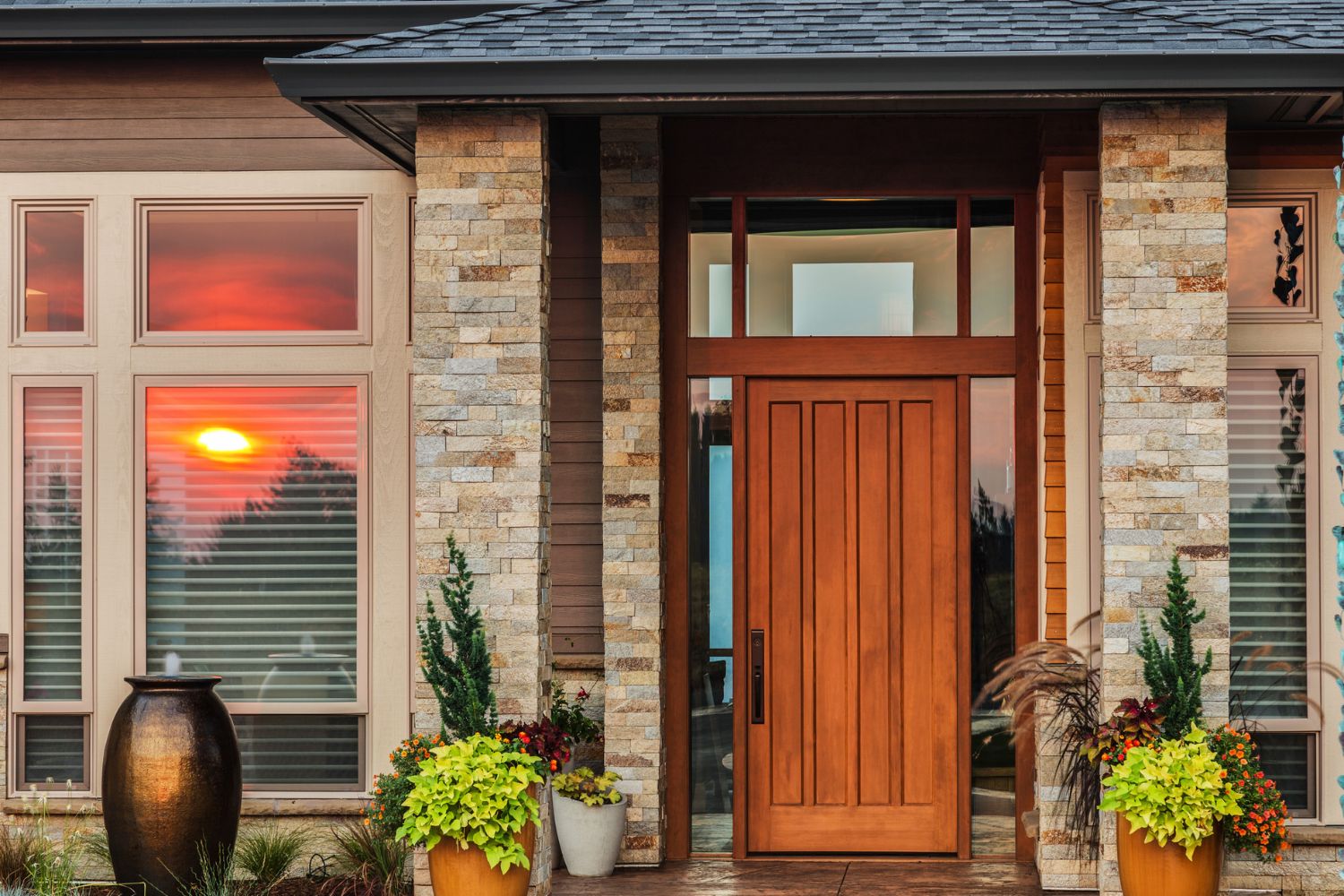
Exterior doors serve as more than access points. They are a functional component of the building envelope that directly affects energy efficiency, moisture management, and occupant safety. For homeowners and managers of multi-unit or apartment properties in Utah, door replacement is often viewed as a design upgrade. In practice, it is a performance decision that can influence long-term maintenance costs and overall building durability.
Exterior doors play a measurable role in regulating heat transfer within a building. According to the U.S. Department of Energy, doors that are poorly sealed or outdated can allow significant air leakage, increasing heating demand during cold weather and cooling demand during warmer months. In Utah, where temperature swings are common throughout the year, this air exchange can lead to inconsistent indoor comfort and higher overall energy use.
Modern replacement doors are designed with insulated cores, improved weatherstripping, and tighter construction tolerances. When installed correctly, these features help limit air infiltration and support more stable interior temperatures. For homeowners and managers of multi-unit properties, improved door performance can contribute to better energy consistency across living spaces and reduced strain on heating and cooling systems.
Exterior doors also serve as a primary barrier against unauthorized entry. Doors with aging frames, compromised materials, or outdated hardware are more susceptible to forced entry and operational failure. Replacing these doors allows property owners and managers to improve security through reinforced frames, durable materials, and modern locking systems.
For apartment complexes and multi-unit properties, door replacement provides an opportunity to standardize security features across units. This approach improves overall property safety while simplifying maintenance and long-term hardware management.
The performance of a door depends not only on the product itself but on how it is integrated into the surrounding wall assembly. Doors interrupt the exterior surface, requiring proper flashing, sealing, and drainage paths to prevent water intrusion. When these elements are missing or improperly installed, moisture can migrate behind stucco or siding and remain hidden until damage becomes visible.
Building science research consistently emphasizes that water intrusion commonly occurs at transitions where materials meet, including door openings. Improper integration can lead to deterioration of framing, sheathing, and interior finishes over time. In Utah, where snowmelt and freeze thaw cycles stress exterior assemblies, door integration becomes especially important.
Replacing a door is not simply a carpentry task. It requires coordination between framing, waterproofing, exterior finishes, and hardware installation. RAM Builders Stucco & Exteriors approaches door replacement as part of the complete exterior system. Their process considers how the door ties into stucco, flashing, and drainage components to ensure long-term performance rather than short-term appearance improvements.
For homeowners, this approach reduces the risk of recurring drafts, moisture intrusion, and premature material failure. For property managers, it supports consistent performance across units and lowers the likelihood of future repair cycles tied to door related water damage.
In Utah’s variable climate, door replacement is an opportunity to strengthen energy efficiency, improve security, and reinforce the exterior envelope at the same time. When executed with system level understanding, it becomes a strategic upgrade that benefits both residential and multi-unit properties.