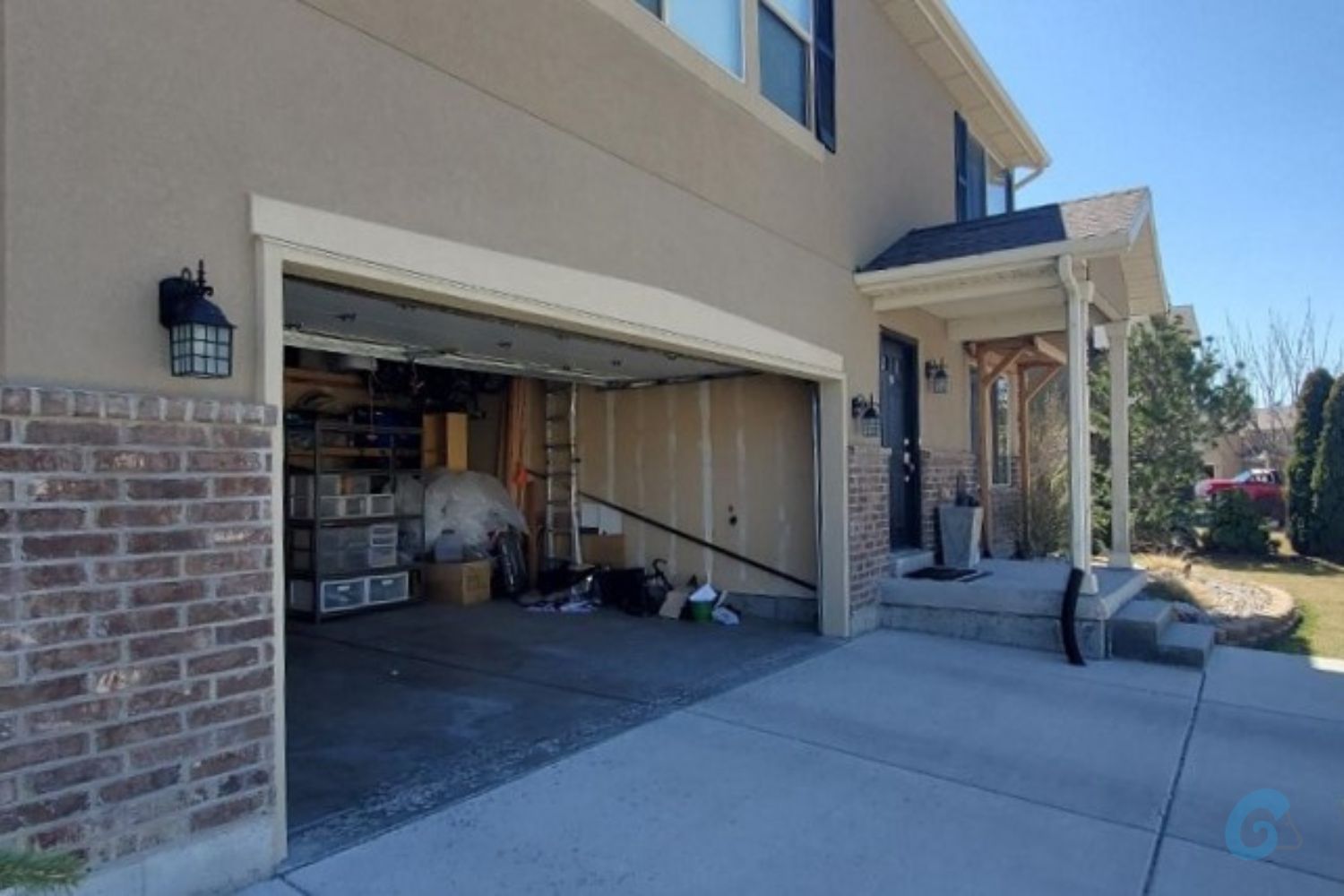
As temperatures climb across Utah, many property owners begin noticing changes in their stucco that were far less visible during cooler months. Hairline cracks may appear larger, existing damage may become easier to spot, and surfaces that once looked stable can suddenly show signs of stress. These changes are not always caused by new damage. In many cases, summer heat simply reveals weaknesses that have already been developing within the exterior system and may require professional stucco repair. Understanding why this happens helps you take action before small surface issues grow into larger structural concerns.
Stucco is designed to withstand changing weather conditions, but it still responds to temperature fluctuations like any other building material. During hot summer days, exterior surfaces absorb heat and expand. When temperatures cool again at night, those same materials contract. In Utah, where daytime temperatures can rise quickly and evenings remain significantly cooler, this repeated movement places stress on stucco surfaces and the layers beneath them.
Over time, small imperfections in the stucco system become more pronounced as materials shift. Cracks that seemed minor during spring may widen or become more visible under summer heat. Areas where moisture has already weakened the structure are often the first to show signs of movement.
Heat alone is not always responsible for stucco cracking. Summer conditions frequently expose damage that began months earlier during winter snow or spring runoff. Moisture trapped behind stucco can weaken the bond between materials, reducing the exterior’s ability to handle thermal expansion. As surfaces heat up, these weakened areas begin reacting differently than surrounding sections, making cracking and separation easier to see.
You may notice discoloration, uneven textures, or cracking near windows, rooflines, and exterior transitions. In multi-unit and apartment properties, these issues can spread across shared walls and connected exterior systems. What initially appears cosmetic may actually indicate ongoing moisture intrusion or movement within the building envelope.
When cracks become visible in summer, many property owners attempt quick cosmetic repairs. While patching small areas may temporarily improve appearance, it rarely addresses the reason the cracking developed in the first place. If moisture remains trapped behind the stucco or structural movement continues beneath the surface, cracks are likely to return.
Proper stucco repair involves evaluating how the entire exterior system is functioning. Drainage, flashing, sealants, and wall assemblies all influence how well stucco handles heat and moisture. Without correcting these underlying conditions, repeated repairs may become necessary over time.
Working with experienced professionals allows you to identify whether stucco cracking is cosmetic or a sign of larger exterior problems. RAM Builders Stucco & Exteriors evaluates how heat, moisture, and structural movement affect stucco systems throughout Utah’s demanding climate. Their team examines the full exterior assembly to determine where stress is developing and how repairs can restore long term performance.
For homeowners and managers of multi-unit properties, addressing stucco movement during summer helps prevent more extensive deterioration later in the year. By correcting the source of the problem instead of focusing only on surface appearance, RAM Builders Stucco & Exteriors helps protect both the structure and the value of the property.
When summer heat begins revealing cracks in your stucco, it is often your exterior system signaling that attention is needed. Responding early helps ensure that small visible issues do not become larger repairs in the future.