As winter transitions into spring across Utah, snowmelt and seasonal rain introduce a significant increase in surface and subsurface water movement. During this period, underground drainage systems are put under stress as they work to direct water away from foundations, walkways, and exterior walls. When these systems are not functioning properly, the resulting runoff patterns often reveal underlying issues that may not have been visible during colder months. For homeowners and managers of multi-unit or apartment properties, understanding these signs is key to preventing long-term damage.
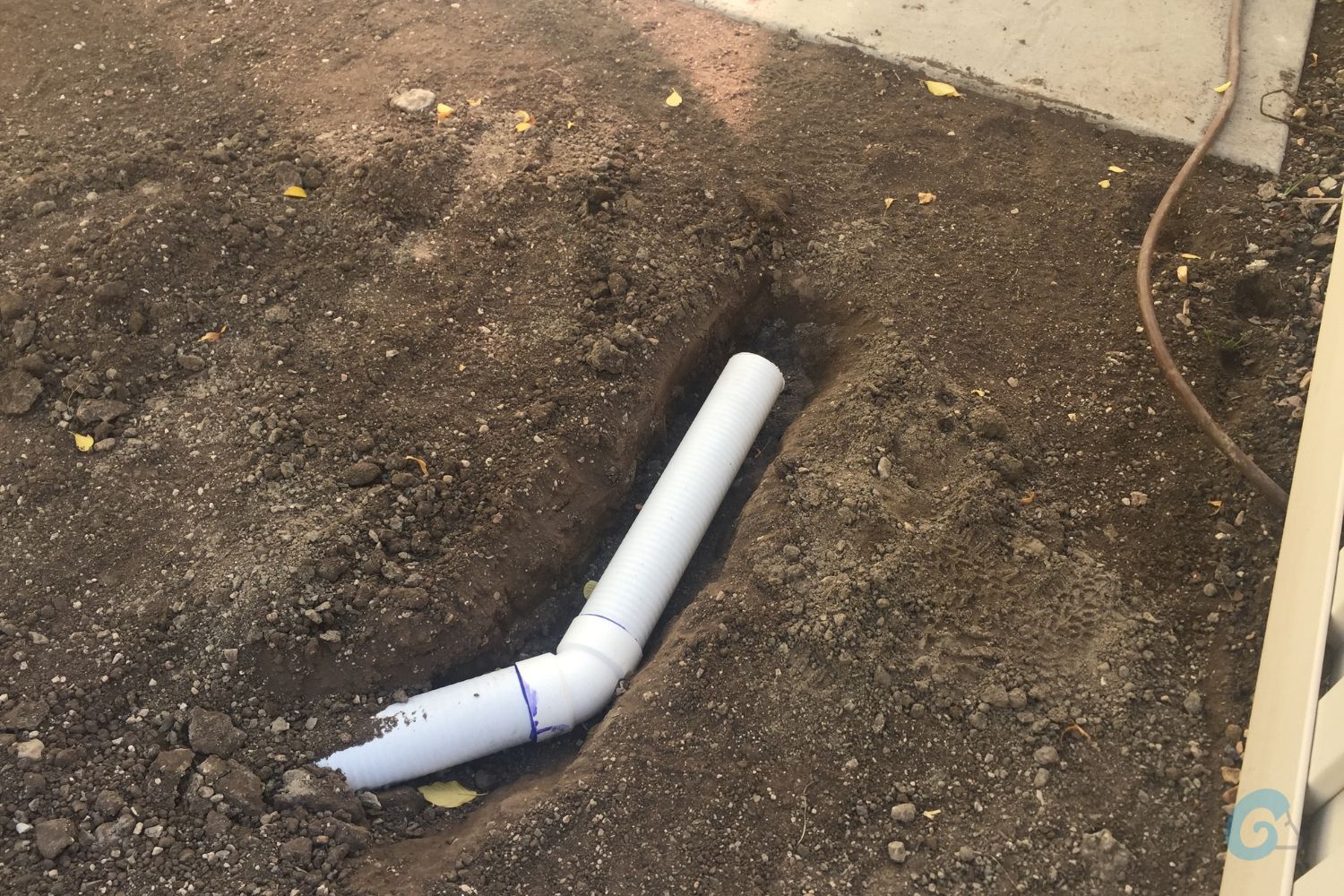
Underground drain lines are designed to collect and redirect water away from structures, helping maintain soil stability and prevent moisture intrusion. During spring, melting snow combined with rainfall increases the volume of water moving through these systems. Effective stormwater management plays a key role in reducing runoff accumulation and protecting buildings from water-related damage.
When drainage systems are partially blocked, damaged, or improperly installed, water can begin to pool near foundations or flow in unintended directions. These changes in water behavior often serve as early indicators that the system is no longer performing as intended.
Spring runoff can highlight several visible signs of drainage problems. These indicators often appear in landscaping, hardscapes, and exterior surfaces before structural damage becomes evident. Common signs include:
In multi-unit properties, these issues can affect shared spaces and create conditions that impact multiple buildings or units simultaneously. Identifying these signs early allows property owners and managers to address drainage concerns before they escalate.
When underground drain lines fail to move water effectively, the excess moisture can begin to affect structural and exterior components. Saturated soil places pressure on foundations and can contribute to settlement or shifting over time. Moisture that remains near exterior walls can also lead to deterioration of stucco, increased risk of water intrusion, and damage to building materials.
In Utah’s climate, where freeze and thaw cycles are common, trapped water can expand within soil and structural elements, further increasing stress on the building envelope. Over time, this repeated cycle can weaken materials and create pathways for water to enter the structure.
Resolving drainage problems requires more than surface adjustments. It involves identifying how water moves through and around the property and determining where the system is failing. RAM Builders Stucco & Exteriors approaches underground drain line issues as part of a complete exterior system. Their team evaluates drainage patterns, identifies blockages or structural issues within the system, and implements solutions designed to restore proper water flow.
For homeowners and property managers in Utah, addressing underground drainage problems during spring provides an opportunity to prevent more extensive repairs later in the year. By working with RAM Builders Stucco & Exteriors, property owners can ensure that water is directed away from critical areas, supporting long-term structural stability and exterior performance.
Understanding what spring runoff reveals about a property’s drainage system allows for more informed decisions and better protection of both residential and multi-unit buildings.