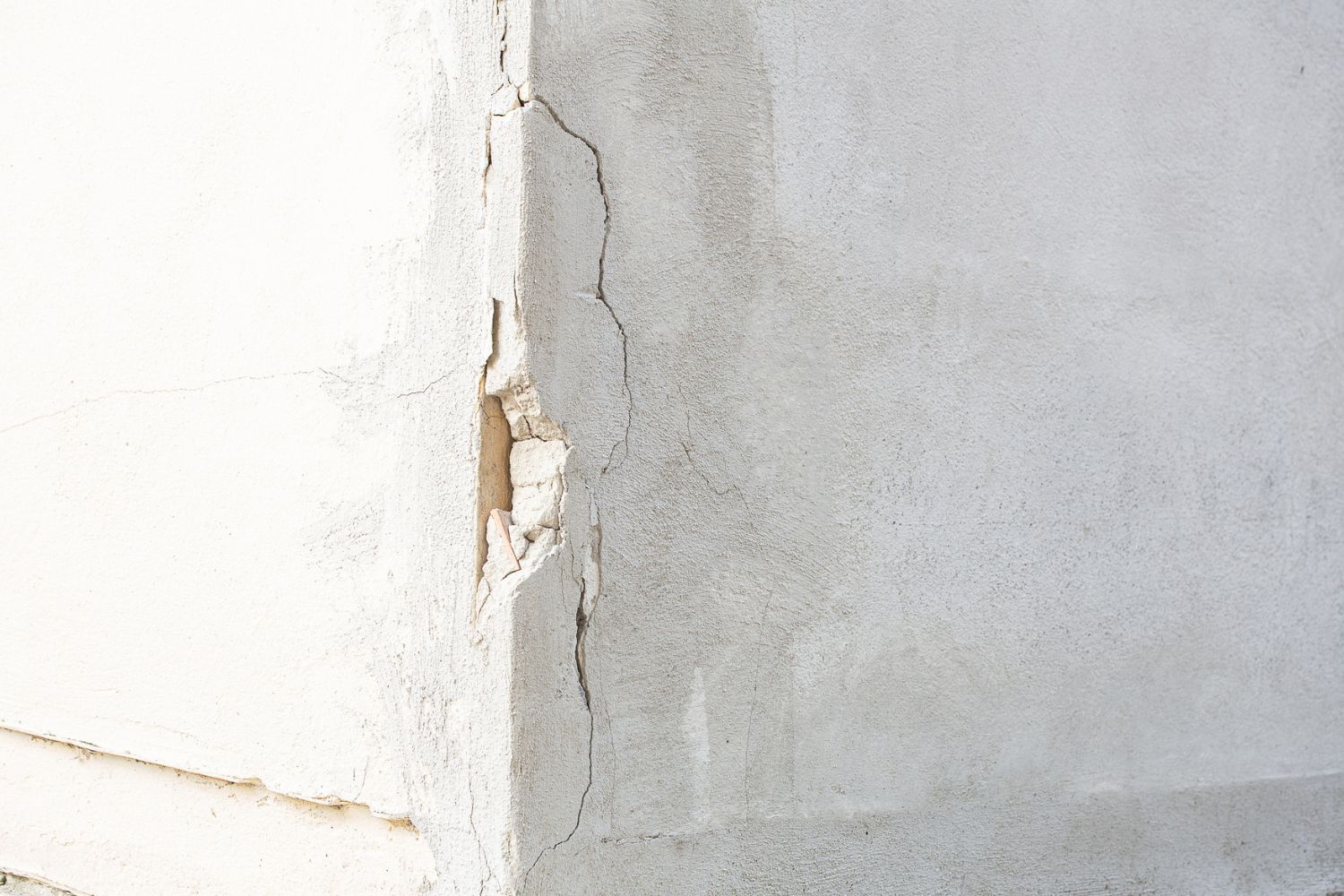
As winter releases its grip on Utah, melting snow begins to expose how well your exterior truly performed over the colder months. What looked solid in January can start showing signs of stress once water starts moving again, especially through stucco surfaces. If you own a home or manage a multi-unit property, spring thaw is often when stucco repair needs first become visible. Staining, cracking, and moisture intrusion are rarely new problems. They are signs that winter stress has finally revealed weaknesses in the exterior system, and how you respond now can determine whether minor stucco repairs turn into larger structural concerns later.
Snow accumulation hides many exterior weaknesses during winter. Once temperatures rise, meltwater travels across roofs, down walls, and toward foundations, testing every transition point along the way. Stucco systems, flashing, roof-to-wall connections, windows, doors, and drainage paths are all put under pressure at the same time. If any part of the exterior system is compromised, spring thaw is when water finds it. You may notice staining on stucco, damp areas near exterior walls, or water showing up indoors only after snowmelt. These signs indicate that moisture was already present and is now moving freely through the structure.
When snow melts slowly, water has time to work its way into gaps that stay frozen all winter. Hairline stucco cracks widen as materials warm and shift. Sealants that looked intact during cold weather may separate once temperatures rise. Roof runoff increases and concentrates at vulnerable connection points, allowing water to slip behind exterior finishes. In multi-unit and apartment buildings, shared walls and connected rooflines allow moisture to spread beyond its original entry point. By the time visible damage appears, water may have already affected multiple areas behind the surface.
It can be tempting to postpone exterior concerns once winter ends, especially if leaks seem minor or intermittent. Unfortunately, spring moisture combined with warmer temperatures creates ideal conditions for continued deterioration. Materials that remain damp take longer to dry, and repeated wetting accelerates breakdown behind stucco and siding. Surface repairs may improve appearance temporarily, but they do not stop moisture that is already inside the wall system. Addressing spring thaw damage early allows you to correct water paths before they lead to larger structural issues or widespread repairs.
Spring is one of the best times to evaluate exterior performance because damage patterns are easier to trace. RAM Builders Stucco & Exteriors approaches spring thaw issues by looking at the entire exterior system rather than isolated symptoms. Their team identifies where water enters, how it moves, and why it is not draining properly. Whether you are responsible for a single home or multiple units, this system-focused approach helps stop moisture at its source. By working with RAM Builders Stucco & Exteriors, you protect your property, control repair costs, and move into the warmer months with confidence that your exterior is ready for the season ahead.