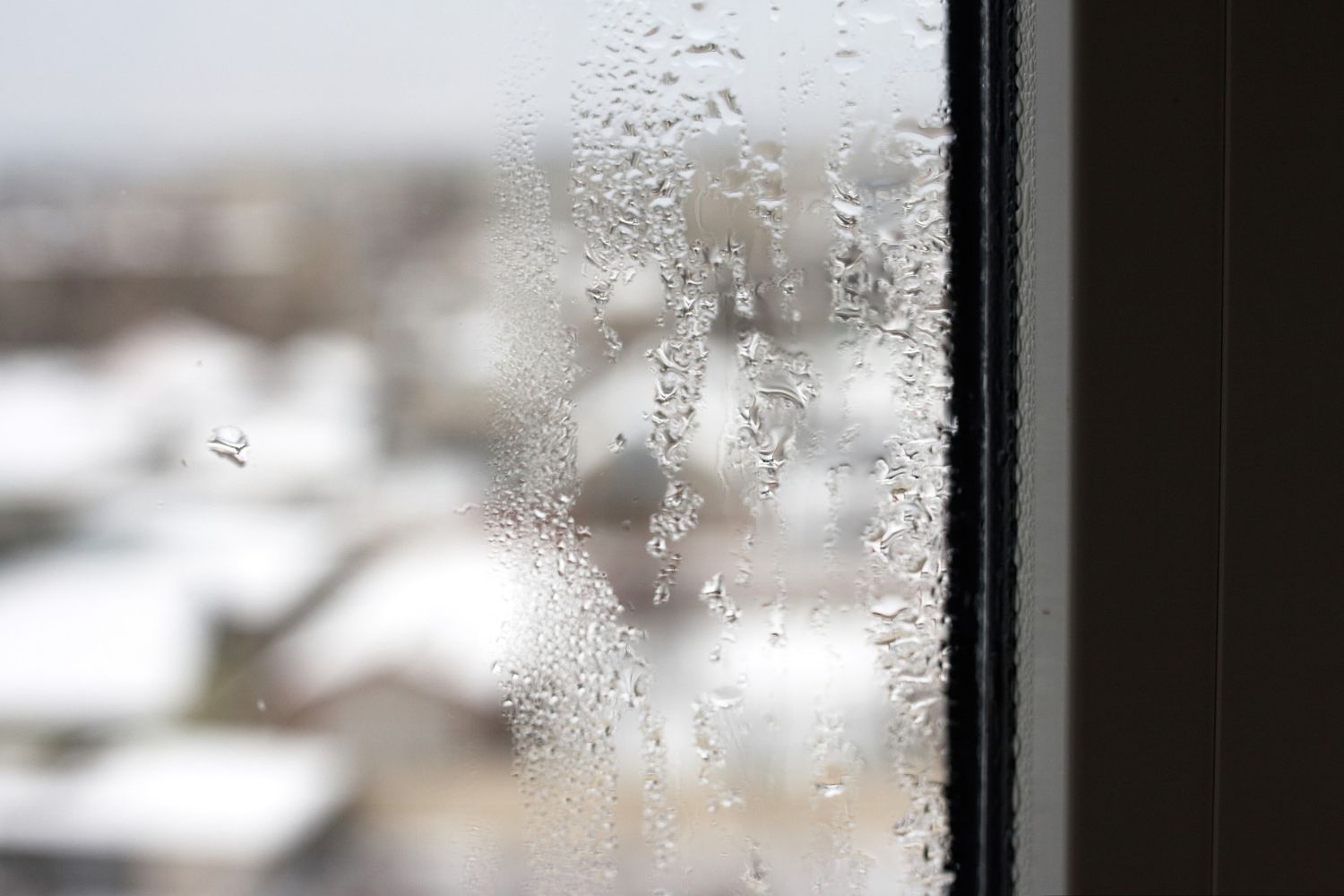
Windows are among the most complex penetration points in any building exterior. While they are designed to provide light, access, and ventilation, they also interrupt the continuity of the building envelope. In Utah’s winter climate, these openings are frequently where water intrusion begins. For homeowners and managers of multi-unit and apartment complexes, understanding how winter conditions expose failures around windows is essential to preventing long-term damage.
Exterior openings rely on a layered system of flashing, sealants, air barriers, and drainage paths to manage water. During winter, snow accumulation and freeze-thaw cycles place additional stress on these systems. Meltwater can pool against window and door frames, and when temperatures drop overnight, expanding ice can open small gaps that allow moisture to move inward. The U.S. Department of Energy explains that air leakage and moisture intrusion often occur at joints where different materials meet, especially around windows that are not properly sealed or integrated into the wall assembly.
Winter leaks around windows are often mistaken for condensation or interior humidity issues. In reality, many of these problems originate outside the wall. When flashing is missing, improperly lapped, or damaged, water can bypass the exterior surface and collect behind stucco or siding.
These leaks may not present as active dripping. Instead, they often appear as staining on drywall, softening of interior finishes, or musty odors that develop weeks after a storm. In multi-unit buildings, water entering at one window or door can migrate vertically or laterally, affecting multiple units before the source is identified.
The performance of windows depends less on the product itself and more on how it is installed. Even high-quality windows can fail to protect a structure if flashing and air sealing are not executed correctly. Proper installation requires continuous integration with the weather resistive barrier, correct flashing sequencing, and clear drainage paths to the exterior.
In Utah, where winter storms are often followed by rapid thawing, improperly integrated openings allow repeated wetting of the wall assembly. Over time, this can lead to deterioration of sheathing, framing, and exterior finishes, increasing repair scope and cost.
Identifying the source of window and door leaks requires an understanding of building envelope behavior, not just surface symptoms. RAM Builders Stucco & Exteriors approaches these issues by evaluating windows as part of the full exterior system. Their experience with stucco, flashing, and moisture management allows them to determine whether leaks stem from failed sealants, missing flashing, or deeper integration problems.
For homeowners and property managers in Utah, addressing window and door leaks during winter can prevent extensive repairs later. By diagnosing and correcting exterior opening failures early, properties remain protected through the remainder of the season and into spring.
When winter reveals hidden weaknesses around windows, working with RAM Builders Stucco & Exteriors helps ensure repairs address the true source of water intrusion rather than temporary surface fixes.