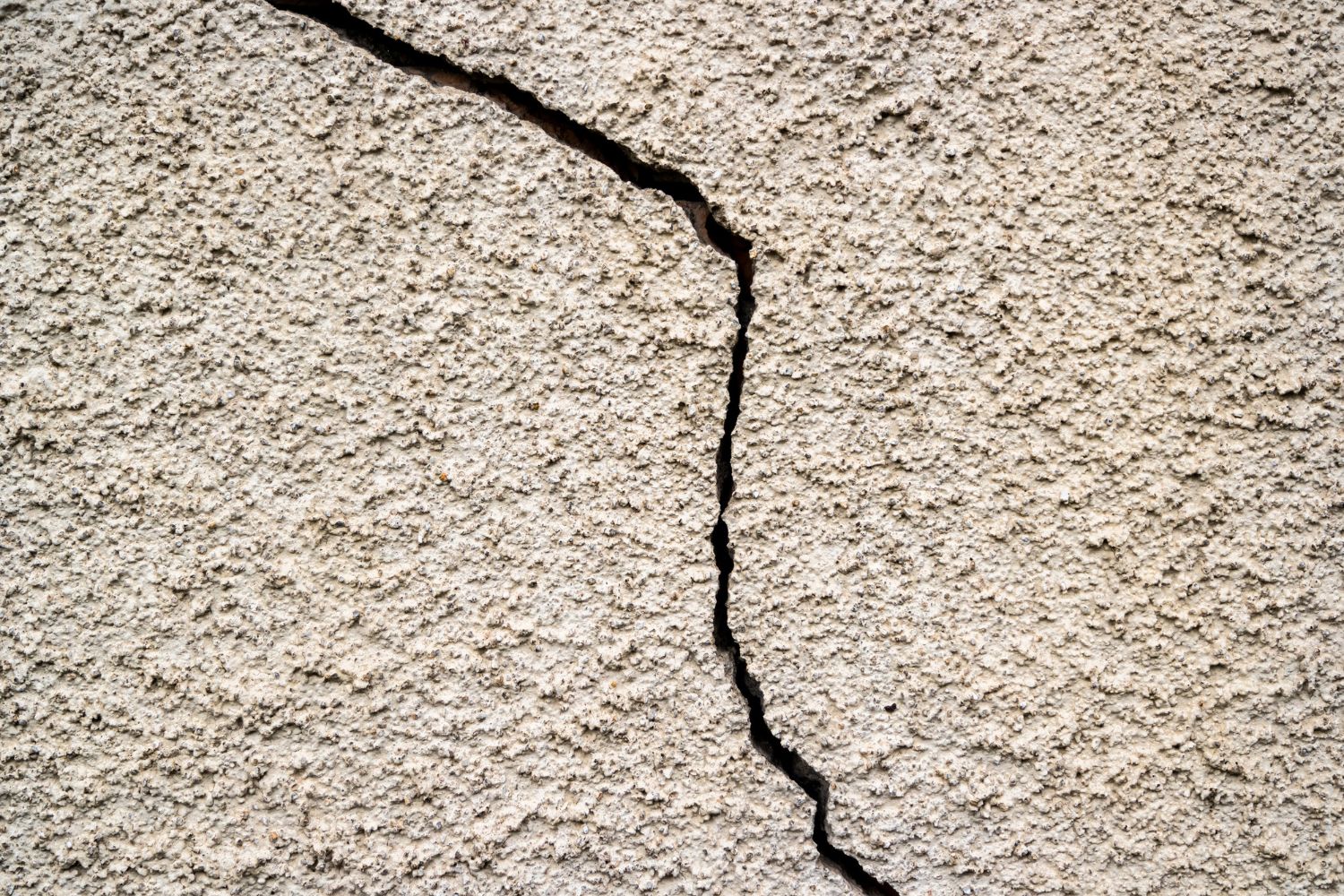
The start of a new year is when many Utah homeowners and property managers take a closer look at their properties. After the first stretch of winter weather, January often reveals how well your exterior is truly performing. If you are noticing stucco cracking, staining, or unexpected interior moisture, these issues are rarely sudden. They are usually the result of early winter stress that has now become visible. January is when exterior problems stop hiding, and when stucco failures demand attention.
Utah winters put stucco systems under intense pressure. Freeze thaw cycles allow moisture to enter small cracks, expand as it freezes, and gradually weaken the surface and layers beneath. During storms, melting snow and ice run down exterior walls, testing whether your stucco is properly sealed and integrated with flashing and drainage systems. When the holiday weather settles, you may begin to see discoloration, hairline cracking, or bulging areas that were not obvious before. These are signs that water has already entered the stucco system and is struggling to escape.
After weeks of snow accumulation and temperature swings, stucco failures often become impossible to ignore. You might notice interior water stains near exterior walls, musty odors, or soft spots developing on the surface of the stucco. In multi-unit and apartment buildings, these symptoms often appear in shared walls or stacked units, making the issue harder to trace without professional evaluation. What feels like a new problem in January is usually the result of moisture intrusion that began earlier in the season. Waiting longer only allows that moisture to continue affecting the structure behind the stucco.
When stucco damage becomes visible, the temptation is to patch cracks or repaint affected areas. While this may improve appearance temporarily, it rarely addresses the underlying issue. Stucco failures are often connected to flashing gaps, improper drainage, or compromised building envelope details. If moisture pathways are not identified and corrected, the damage will return, often worse than before. This is especially true in Utah’s climate, where repeated freeze thaw cycles continue stressing the exterior throughout winter.
January is one of the best times to evaluate stucco performance because the damage patterns are clear. Moisture paths, staining, and surface failures are easier to diagnose when weather conditions expose weaknesses. Working with RAM Builders Stucco & Exteriors allows you to move beyond surface repairs and focus on long term solutions. Their team evaluates stucco as part of the full exterior system, identifying where water enters and how it moves through the structure. Whether you own a home or manage a multi-unit property, addressing stucco failures now helps protect your investment, limit future repairs, and prevent springtime surprises. When winter reveals the truth about your exterior, taking action early puts you back in control.